
When it comes to creating a cozy space dedicated to reading and learning, a small library room is an ideal solution. I’ve spent years exploring how to maximize limited spaces while crafting inviting and functional library nooks that inspire relaxation and focus. You can trust that this guide offers the most accurate and practical ideas to help you design your perfect small library room.
So, what are some effective ways to design a small library room? A small library room can be transformed with smart furniture choices, clever storage solutions, and personalized décor that maximizes space without sacrificing comfort or style. These 15 ideas provide clear, actionable tips for turning even the tiniest room into a book lover’s paradise.
Ready to dive deeper? Keep reading to discover unique design approaches, practical tips, and style inspirations that will help you create a small library room that feels spacious, stylish, and utterly inviting.
Contents
- 0.1 Creating Your Small Library Room: A Quick Chat
- 0.2 1. Floating Shelves for a Modern Minimalist Library
- 0.3 2. Built-In Bench Seating with Under-Storage
- 0.4 3. Floor-to-Ceiling Bookshelves
- 0.5 4. Window Seat Reading Nook
- 0.6 5. Bold Accent Wall with Bookshelves
- 0.7 6. Ottoman with Hidden Storage
- 0.8 7. Layered Lighting with Floor and Table Lamps
- 0.9 8. Fold-Down Desk or Table
- 0.10 9. Area Rug to Anchor the Space
- 0.11 10. Personal Touches with Art and Memorabilia
- 0.12 11. Mirrors to Create Illusion of Space
- 0.13 12. Slim Profile Armchairs
- 0.14 13. Incorporating E-Readers and Charging Stations
- 0.15 14. Ceiling-Mounted Book Racks
- 0.16 15. Using Room Dividers to Define the Library Space
- 1 Wrapping Up
Creating Your Small Library Room: A Quick Chat

Before jumping into the ideas, let’s talk about what makes a small library room work. It’s not just about shelves and books—it’s about balancing storage, seating, lighting, and ambiance in a limited space. Whether you live in an apartment, a cozy cottage, or a modern home, these ideas can flex to fit your style and space. Now, let’s explore each idea in detail!
1. Floating Shelves for a Modern Minimalist Library

Floating shelves are a fantastic way to save floor space while showcasing your books and décor. These wall-mounted shelves create an airy, open feel by eliminating bulky bookcases. Opt for sleek, white or natural wood floating shelves to complement a minimalist design and keep the room feeling light.
Key tips:
- Use staggered shelf heights to accommodate taller books and decorative pieces.
- Add small potted plants or framed art to break the monotony of books.
- Pair with a compact, comfy armchair for a modern reading corner.
This approach suits contemporary, Scandinavian, and minimalist homes by keeping the library clutter-free and visually appealing. Floating shelves also make cleaning easier since you’re not limited by furniture legs.
Moving on, let’s talk about carving out a cozy corner with built-in benches.
2. Built-In Bench Seating with Under-Storage

Built-in benches along a window or wall provide dual functionality: a cozy spot to read and hidden storage for books, magazines, or blankets. Adding cushions and throw pillows makes this space inviting and comfortable.
Implementation advice:
- Install deep drawers or lift-up lids under the bench for maximum storage.
- Choose light upholstery for cushions to enhance the sense of space.
- Place a reading lamp nearby to create a dedicated nook.
This design is perfect for traditional and cottage-style homes, blending functionality with timeless charm. It’s especially useful for small spaces where every inch counts.
Next up, let’s explore how vertical storage can dramatically increase your book capacity.
3. Floor-to-Ceiling Bookshelves

If you want to maximize storage, floor-to-ceiling bookshelves are your best friend. They use vertical space efficiently, giving you ample room without expanding your library’s footprint. Adjustable shelves allow flexibility for books and decorative items of various sizes.
Practical tips:
- Use a rolling ladder if ceiling height allows, adding both style and function.
- Mix books with curated décor such as vases or sculptures to avoid a crowded look.
- Paint the shelves a contrasting color to make them a focal point.
This idea works beautifully in modern, industrial, and eclectic homes, emphasizing height and grandeur even in small rooms.
Now, let’s see how to bring softness with a reading nook.
4. Window Seat Reading Nook

A window seat brings natural light, fresh air, and a calm vibe to your small library. It’s the perfect spot to curl up with a book while enjoying an outside view. Add cushions, a soft throw, and a small side table for drinks or reading glasses.
Design pointers:
- Use built-in shelving or baskets underneath the seat for extra storage.
- Choose light, airy curtains to maintain brightness without glare.
- Add a small reading lamp for evenings.
Window seats are a timeless feature that fits well in traditional, farmhouse, and coastal designs, adding charm and comfort to small spaces.
Next, we’ll consider how to use color to enhance your library’s mood.
5. Bold Accent Wall with Bookshelves

Creating an accent wall painted in a bold color behind your bookshelves adds depth and personality to your small library. Dark hues like navy, forest green, or charcoal can make the room feel cozy and intimate, perfect for a reading retreat.
Tips for success:
- Keep shelving and furniture neutral to balance the bold wall.
- Add warm lighting such as sconces or fairy lights to soften the space.
- Incorporate metallic or wooden décor to add texture.
This idea suits eclectic, contemporary, and modern-traditional homes, helping define the library area visually without overwhelming it.
Up next, let’s talk about multifunctional furniture that doubles as book storage.
6. Ottoman with Hidden Storage

An ottoman with hidden storage is a space-saving gem. It provides a comfortable place to sit or rest your feet while storing extra books or magazines inside. Choose an ottoman with a lift-up lid or drawers to keep your library tidy.
Implementation suggestions:
- Match the ottoman upholstery to your room’s color scheme for cohesion.
- Place it near your main seating area for easy access.
- Use it as a side table with a tray on top for drinks or snacks.
Ottomans work well in modern, boho, and casual styles, adding function without taking up extra space.
Next, let’s explore how to illuminate your library effectively.
7. Layered Lighting with Floor and Table Lamps

Good lighting is essential for reading comfort and ambiance. Layered lighting—using a mix of floor lamps, table lamps, and wall sconces—allows you to adjust brightness and mood easily.
Lighting tips:
- Use adjustable lamps focused on reading areas to reduce eye strain.
- Incorporate warm, soft light bulbs to create a cozy vibe.
- Position lamps to avoid glare on book pages and screens.
This lighting approach suits any style but is especially important in small libraries where natural light might be limited.
Let’s move on to see how folding furniture can enhance flexibility.
8. Fold-Down Desk or Table

Incorporating a fold-down desk or table maximizes space by tucking away work or reading surfaces when not in use. This is ideal if your small library doubles as a home office or study area.
Key features:
- Mount the fold-down desk on a wall adjacent to bookshelves.
- Use compact chairs or stools that can be stored under the desk.
- Add pegboards or wall organizers above for supplies.
This design suits modern, minimalist, and multifunctional homes, keeping your space clutter-free and versatile.
Now, let’s see how rugs can define your library space.
9. Area Rug to Anchor the Space

A carefully chosen area rug can define your small library’s seating zone, add warmth, and introduce color or pattern. Opt for rugs that complement your décor and are sized appropriately—not too large to overwhelm, nor too small to feel disconnected.
Selection advice:
- Use low-pile rugs for easy movement and maintenance.
- Choose patterns or colors that enhance your room’s palette.
- Layer rugs for texture and visual interest.
Area rugs work with all styles and help create a distinct, inviting reading zone within your small library.
Next, consider how to personalize your library with unique décor.
10. Personal Touches with Art and Memorabilia

Adding personal artwork, framed quotes, or memorabilia makes your library truly yours. These elements bring character and inspire you every time you enter.
Ideas to try:
- Hang framed book covers or literary posters on the walls.
- Display souvenirs or collectibles on open shelves.
- Use decorative bookends that reflect your interests.
Personalized décor fits every style and makes your small library feel welcoming and meaningful.
Moving forward, let’s explore how to use mirrors to enhance space perception.
11. Mirrors to Create Illusion of Space

Mirrors reflect light and create the illusion of a larger room. Placing a large mirror opposite a window or bookshelf can open up your small library visually.
Implementation tips:
- Choose simple frames to avoid clutter.
- Consider mirrored furniture or shelving panels for subtle effects.
- Position mirrors strategically to bounce natural and artificial light.
Mirrors are versatile and enhance traditional, modern, and eclectic libraries alike.
Next, let’s talk about compact seating options.
12. Slim Profile Armchairs

In small spaces, bulky furniture can overwhelm. Slim profile armchairs, with narrow arms and low backs, provide comfortable seating without taking up too much room.
Selection tips:
- Opt for chairs with exposed legs to create an airy feel.
- Choose upholstery in light or neutral tones to brighten the space.
- Add a cozy throw for warmth and texture.
These chairs suit contemporary, mid-century modern, and Scandinavian interiors perfectly.
The next idea focuses on integrating technology discreetly.
13. Incorporating E-Readers and Charging Stations

In today’s digital age, your library can include e-readers or tablets. Design a small charging station with cable management to keep devices powered and organized without clutter.
Practical suggestions:
- Use a dedicated shelf or side table with built-in USB ports.
- Hide cables with cord covers or behind furniture.
- Combine technology with traditional books for a balanced space.
This modern addition suits tech-savvy readers and contemporary homes.
Now, let’s explore ceiling-mounted storage solutions.
14. Ceiling-Mounted Book Racks

When floor and wall space are limited, ceiling-mounted racks offer an innovative storage option. These racks can hang above seating areas or desks, giving an industrial or modern vibe.
How to do it:
- Use sturdy metal or wooden racks with secure mounts.
- Keep frequently used books within easy reach on lower racks.
- Combine with spotlights to highlight your collection.
This design suits loft, industrial, and modern aesthetics, adding an unexpected twist to your library.
Finally, let’s discuss flexible partitioning.
15. Using Room Dividers to Define the Library Space
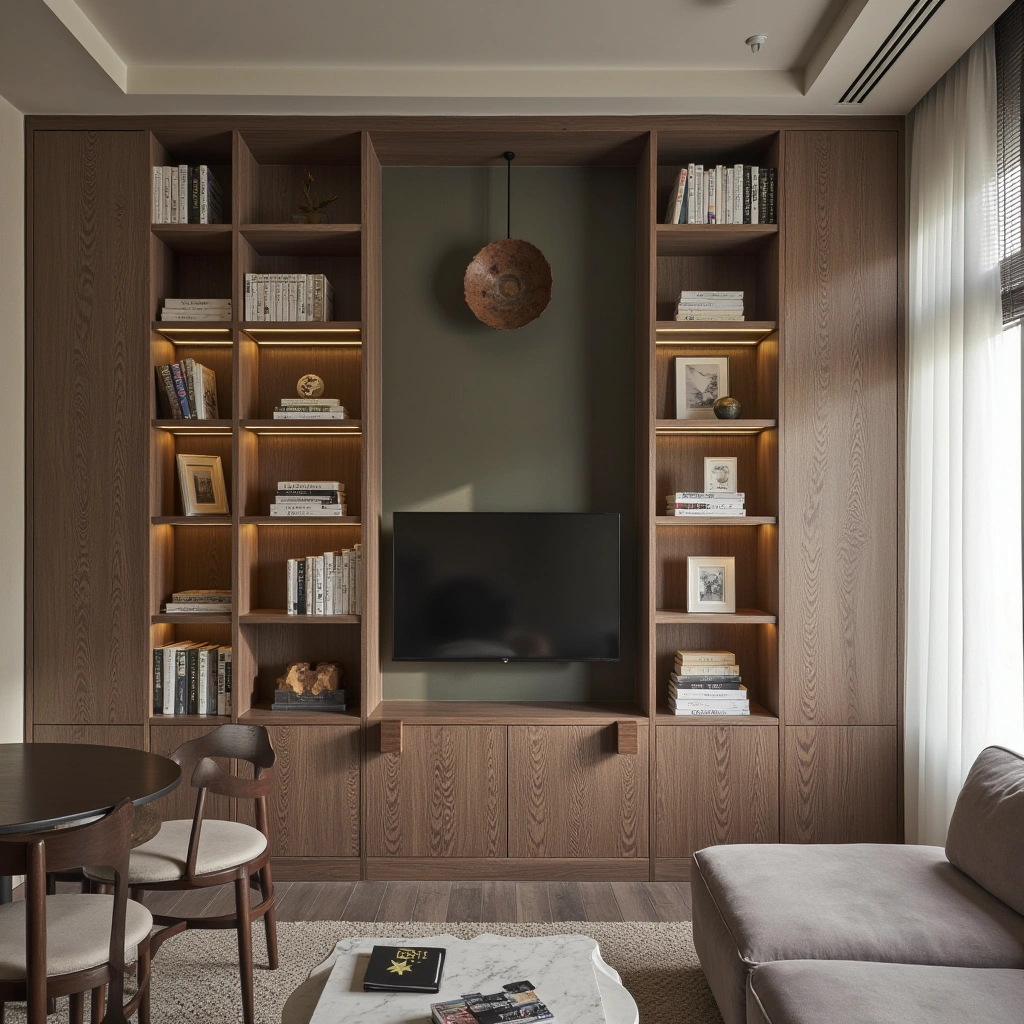
If your small library shares space with other rooms, use room dividers like folding screens or bookcases to create separation. These can provide privacy and help organize your home.
Suggestions:
- Choose open shelving dividers for light flow.
- Use folding screens with fabric or woven textures for temporary division.
- Customize with hooks or pockets for extra storage.
Room dividers work well in studio apartments, open-plan homes, and multifunctional spaces.
Wrapping Up
Designing a small library room doesn’t mean you have to compromise on style or comfort. By using smart storage solutions, layered lighting, and personalized décor, you can create a space that feels both spacious and inviting.
Remember, the key is balancing functionality with aesthetic appeal, making your small library a perfect retreat for all your reading adventures. Now, go ahead and turn your cozy corner into the library you’ve always dreamed of!
